 Pet Play Guide
Play planning Both
A play log that helps you choose the next game
Capture preference, access and the ending without inventing a performance score.
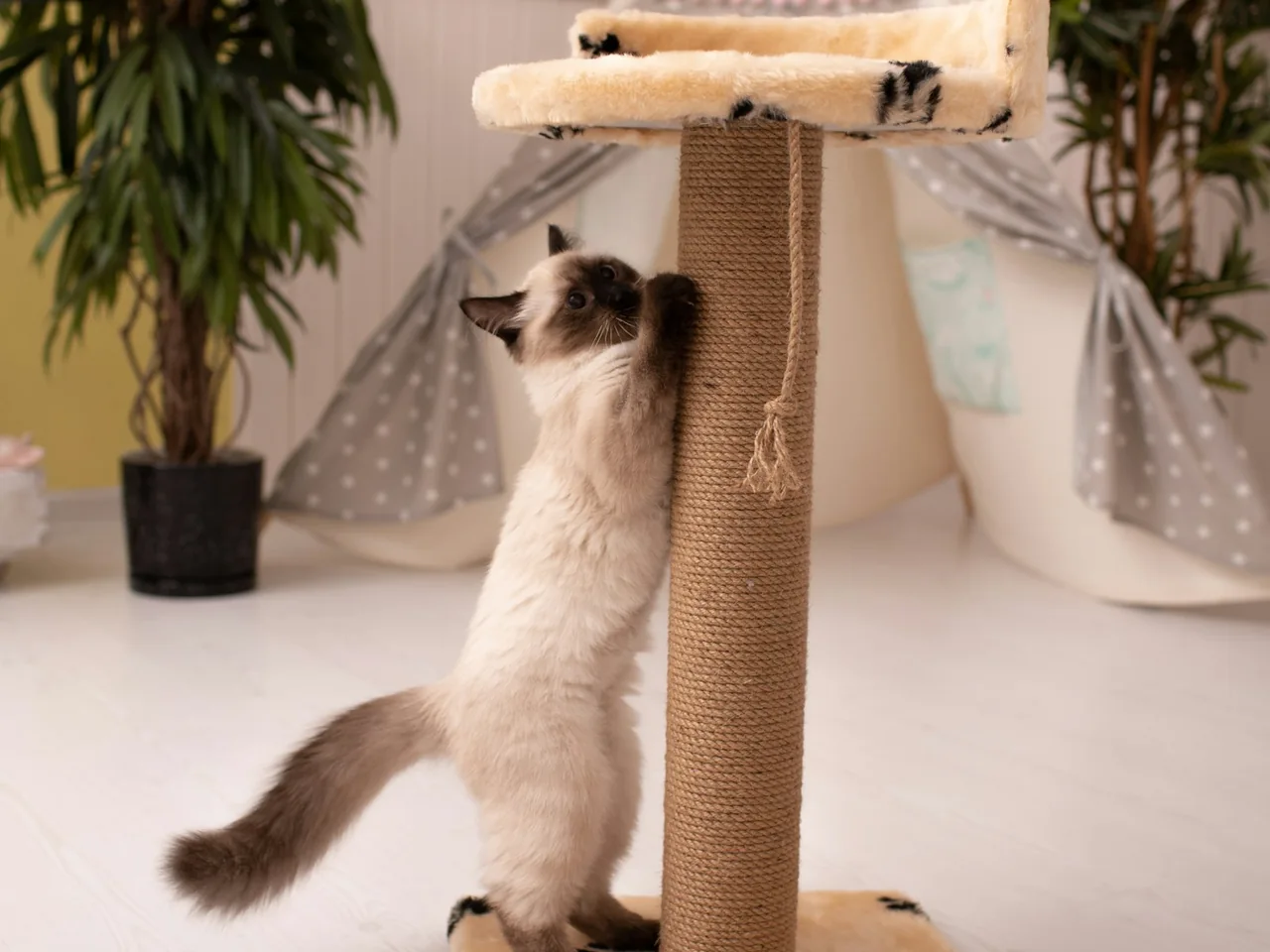
Context photograph.
Ask a smaller question
Instead of asking which game is “best,” ask what your pet chose in this setting. Record the space, toy or activity, the first response and how the session ended. The useful pattern may concern placement or timing rather than the toy itself.
Keep the record brief enough to use. A single accurate sentence is more valuable than a detailed chart filled with guesses. Include occasions when the animal chose not to play so the log does not quietly reward persistent prompting.
Use four practical fields
- Setup: what was offered, where it was offered and what else was happening.
- Response: approach, investigation, play, departure or another visible action.
- Adjustment: one thing you changed during the session, if any.
- Ending: how the equipment was stored and what choice was available next.
Separate preference from novelty
A new toy may attract investigation without becoming a long-term favourite. An older toy in a different safe presentation may invite renewed play. Rotate a manageable selection and observe rather than buying every item that briefly attracts attention.
For cats, supervised interactive toys should still be stored appropriately even if the log says they were popular. For dogs, an engaging game should still fit the individual and leave room for rest. Popularity does not remove the need for inspection and supervision.
Choose the next step from the record
Repeat a clear, manageable setup before increasing complexity. If the animal did not engage, try a simpler invitation or offer a different kind of activity on another occasion. Do not turn the log into a schedule that the animal has to complete.
Our play picker uses your species and setting choices to suggest a starting format. It produces no diagnostic score and makes no promise about behaviour. Keep the written observations as your evidence, and seek individual guidance if play is consistently difficult to manage.
Sources & practical application
These principles inform the guide. Household worksheets, examples and sequencing are our editorial application, not reported experiments or endorsements by the source organisations.
Source principle: Use toys rather than fingers, allow catches, rotate options, and store string toys after supervised use.
Source principle: Enrichment includes social, sensory and environmental opportunities. Consider individual preferences and rotate activities.
Checked October 16, 2026. How we prepare guides · Report a correction.