 Pet Play Guide
Dog games Dogs
Set up a first sniff-and-search game
An easy, visible starting point helps you learn what your dog enjoys searching for.
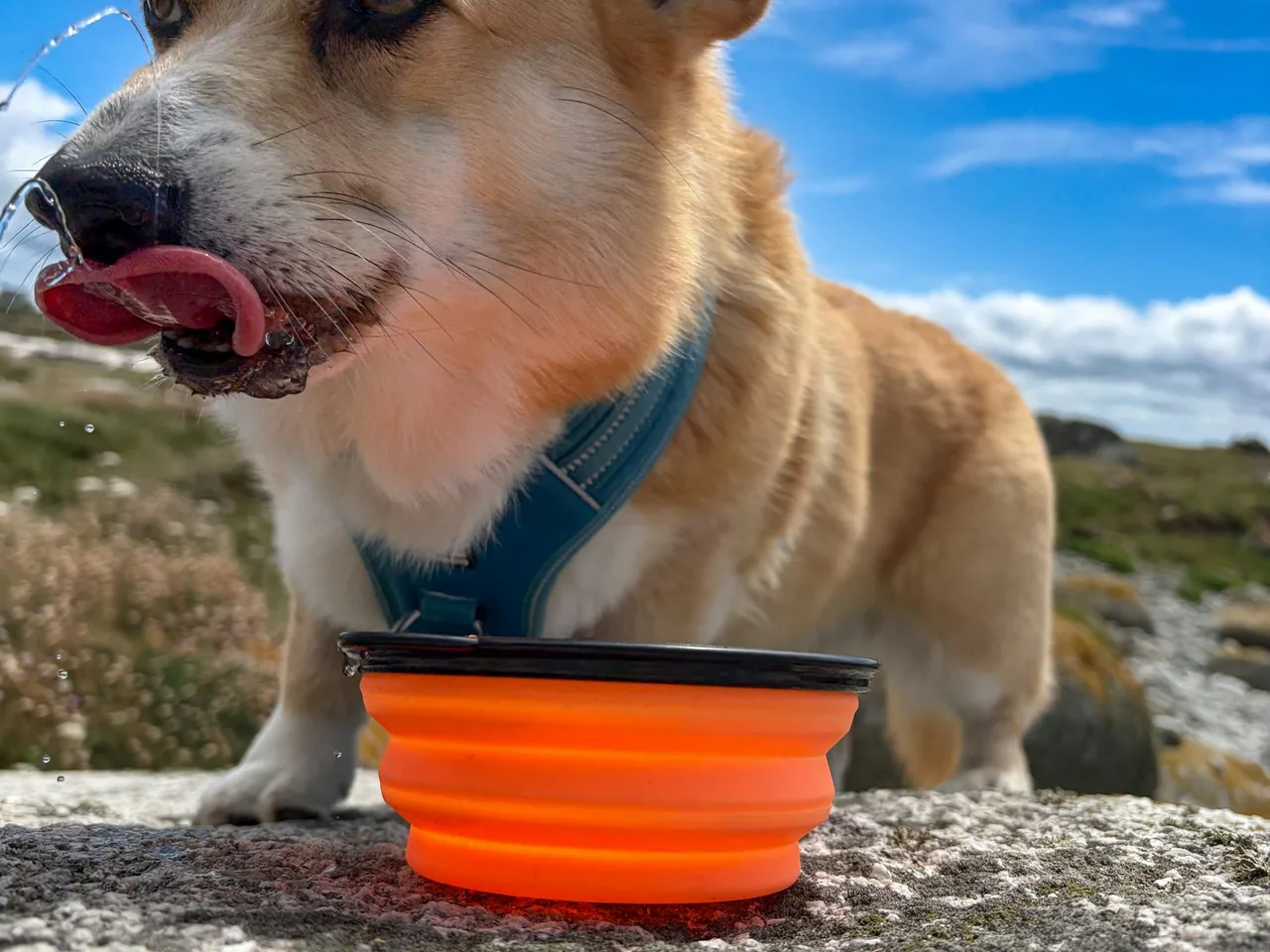
Context photograph.
Make the first search almost obvious
Choose a quiet clear space and an object or food reward already suitable for your dog. Let the dog see where the first reward goes. An introductory search is an invitation to use the nose, not a test the dog has to pass before earning anything.
If using food, keep it within the dog's existing food plan and household instructions. If a valued toy works better, use a toy the dog can handle safely. This guide does not prescribe foods, portions or a level of physical effort.
Set the scene
- Clear loose household objects from the search area so the game does not invite investigation of unsuitable items.
- Start with the reward visible or very easy to find.
- Give the dog room to approach and investigate without repeated pointing or crowding.
- Collect everything afterward and check the area before leaving it available again.
Change only one source of difficulty
When the simple search is easy, move the reward a little farther within the same accessible area or make it slightly less visible. Do not simultaneously change the room, object and hiding method. If the dog disengages, return to a straightforward find rather than turning the game into a long sequence of prompts.
A record might say “visible toy near the chair, found without help; next time try beside the chair.” That describes a possible session format, not an observation made by this site. Your own record should preserve what actually happened.
End while the setup is manageable
Offer an easy final find, then store the equipment. Rest and other choices belong in an enrichment routine too. A useful session does not need to become a search of every room or a route over obstacles.
If another pet is present, arrange separate access rather than assuming competition will improve the game. Use the play session picker for a starting format, then adjust to the dog and space rather than treating its suggestion as a personalised assessment.
Sources & practical application
These principles inform the guide. Household worksheets, examples and sequencing are our editorial application, not reported experiments or endorsements by the source organisations.
Source principle: Begin searches with easy-to-find food or a valued toy and increase difficulty gradually.
Source principle: Enrichment includes social, sensory and environmental opportunities. Consider individual preferences and rotate activities.
Checked October 16, 2026. How we prepare guides · Report a correction.