 Pet Play Guide
Quiet games Both
Make the first puzzle easier than you think
Visible rewards and straightforward access make a more informative first attempt.
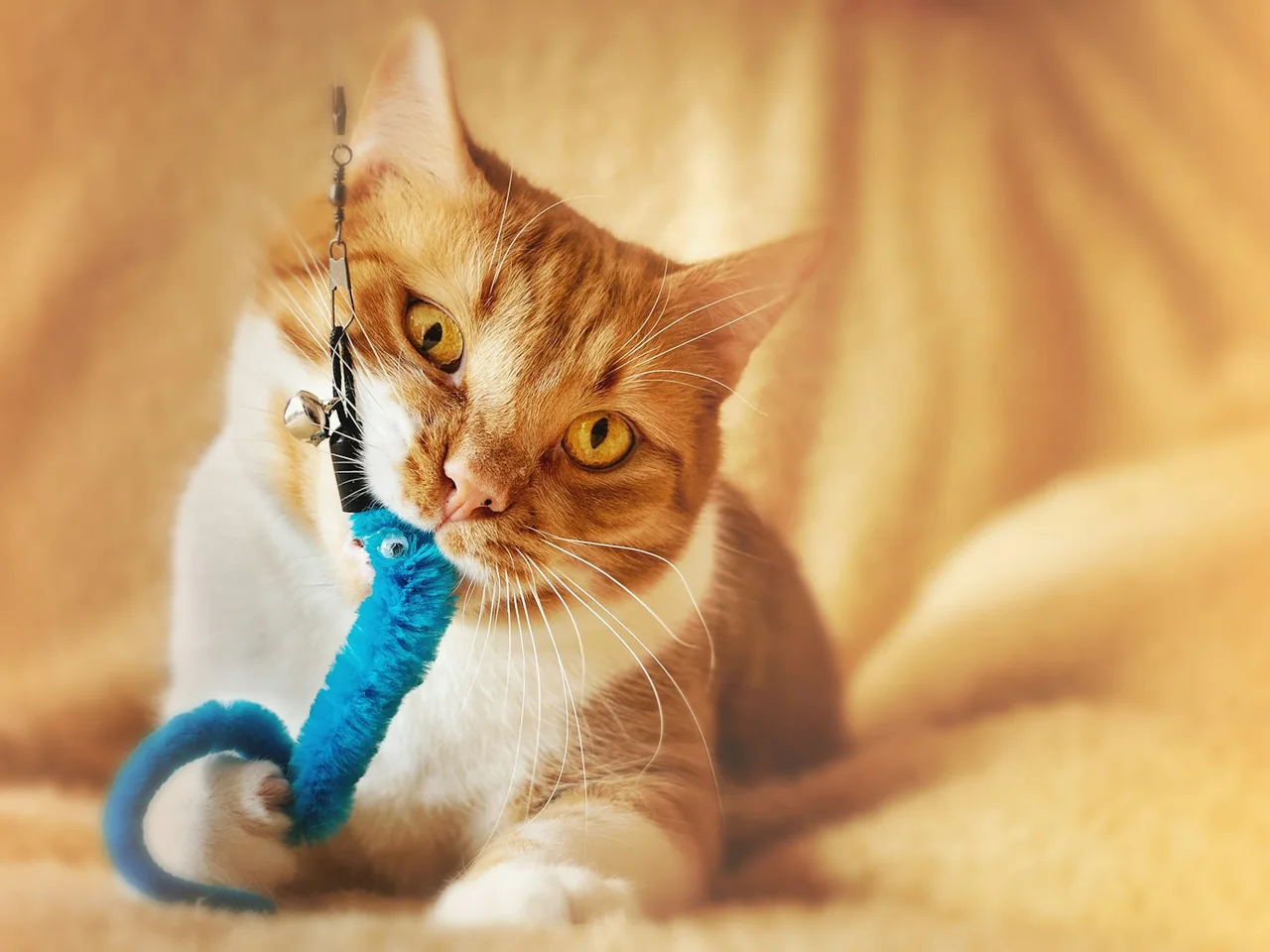
Context photograph.
Let the animal learn the format
Before you hide anything, offer an accessible reward in the puzzle's open or easiest position. The first question is whether the animal chooses to approach and can obtain it. If not, simplify the setup rather than concluding that the animal is “bad at puzzles.”
Use only an appropriate item and follow its use instructions. A repurposed household object is not automatically a suitable pet puzzle. Avoid loose pieces, attachments or materials that the animal can break apart or swallow, and supervise the activity.
Keep the beginning clear
- Put the puzzle on a stable, suitable surface in a quiet area.
- Use an appropriate reward already included in the animal's food plan where food is involved.
- Make access obvious before adding a cover or moving part.
- Stop and simplify if the task is not manageable.
Record the mechanism, not a score
Your note might identify an open compartment, a visible reward and whether help was needed. That gives you a starting point for the next session. A total “intelligence score” says much less and would be an unsupported claim.
When changing the puzzle, alter one feature. Keep the location familiar while changing access slightly, or keep the access easy in a new quiet location. Do not require several unfamiliar actions at once and then use persistent frustration as proof that the activity is enriching.
Include cleaning and storage
Empty the puzzle and follow the manufacturer's cleaning directions after use. Check moving parts and seams before offering it again. If it cannot be maintained or supervised comfortably, choose a simpler activity from the menu.
This site does not calculate food quantities or recommend ingredients. Keep those decisions with your pet's existing care instructions. A puzzle is one possible way to present an appropriate activity, not an essential purchase for every household.
Sources & practical application
These principles inform the guide. Household worksheets, examples and sequencing are our editorial application, not reported experiments or endorsements by the source organisations.
Source principle: Simple food puzzles can provide foraging opportunities; begin with an accessible task.
Source principle: Enrichment includes social, sensory and environmental opportunities. Consider individual preferences and rotate activities.
Checked October 16, 2026. How we prepare guides · Report a correction.